


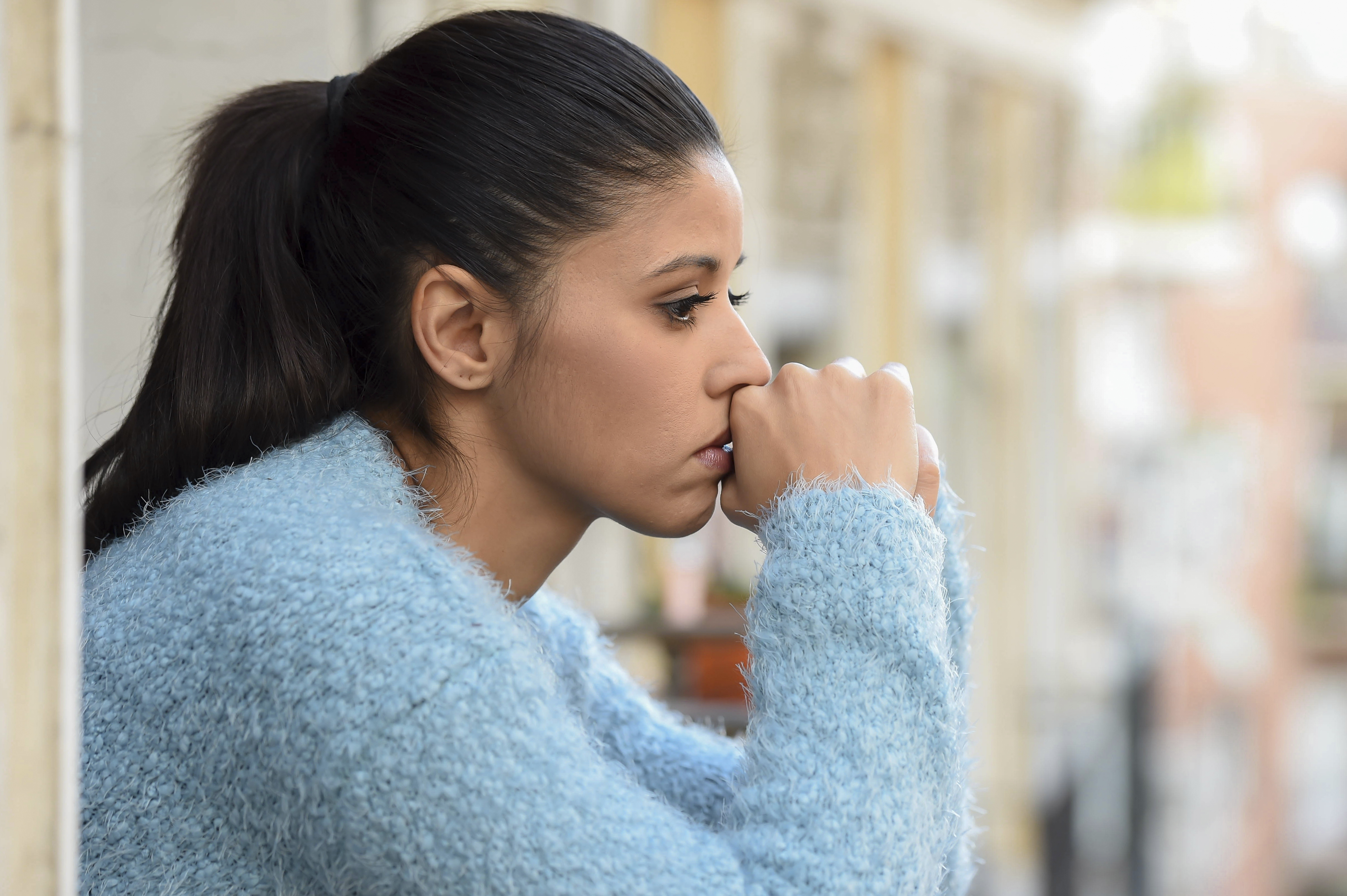
Anxiety is the most common mental health condition in Australia with one in three women and one in five men likely to experience anxiety at some stage in their life* and is more than just feeling stressed or worried.
While it is common to feel stressed or worried when under pressure, the feeling usually passes once the ‘trigger’ has been removed. With Anxiety, these feelings don’t go away, which can make it difficult to cope with daily life.
There are different types of Anxiety. The most common being:
- Generalised Anxiety Disorder (GAD)
- Social Anxiety
- Specific Phobias
- Panic Disorder
Anxiety can also be associated with Obsessive Compulsive Disorder (OCD) and Post Traumatic Stress Disorder (PTSD).
It is uncertain what causes Anxiety, there is a number of contributing factors, including family history of mental health, personality, difficult life experiences, physical health, substance use and ongoing stressful events.
The symptoms of Anxiety are not always easy to recognise, because we all sometimes feel anxious about certain situations. Some of the identifying symptoms can include hot and cold flushes, racing heart, tightening of the chest, obsessive thinking and compulsive behaviours.
Depression is more than just feeling down, it can have a significant impact on your daily life and how you feel about yourself. Most people feel sad or moody from time to time, people with depression tend to feel sad or down more intensely and for longer periods of time.
Depression can affect people in many ways. Some changes may include changes in behaviour, feelings, thoughts, and physically. Some of the symptoms include lack of interest in work, hobbies, socialising or doing things you usually enjoy, feel overwhelmed, irritable and lack self-confidence, negative thoughts, lack of energy and sleeping problems.
There are different types of Depression which can be described as mild, moderate and severe and include:
- Melancholia
- Psychotic Depression
- Antenatal and Postnatal Depression
- Bipolar Disorder
- Cyclothymic Disorder
- Dysthymic Disorder
- Season Affective Disorder (SAD)
It’s not always easy to identify someone who is suffering from depression. However, some signs are a feeling of sadness, and loss of pleasure in doing the things you usually do.
We don’t know exactly what causes Depression, but is often linked to a combination of events and other longer term personal factors such as life events, family history, personality, serious medical illness and drug and alcohol use.
It is important to remember that both Depression and Anxiety can be triggered by different things for different people and it is not always easy to know the cause. The key is to recognise the signs and symptoms and seek advice and support as early as possible.
Recovering from a mental health condition can take time and is different for everyone. In addition to getting treatment, you may need to look at ways to manage the challenges of Anxiety and Depression.
If you think you may have Anxiety or Depression speak to your GP.
*Australian Bureau of Statistics. (2008). National Survey of Mental Health and Wellbeing: Summary of Results, 2007. Cat. no. (4326.0). Canberra: ABS.


