


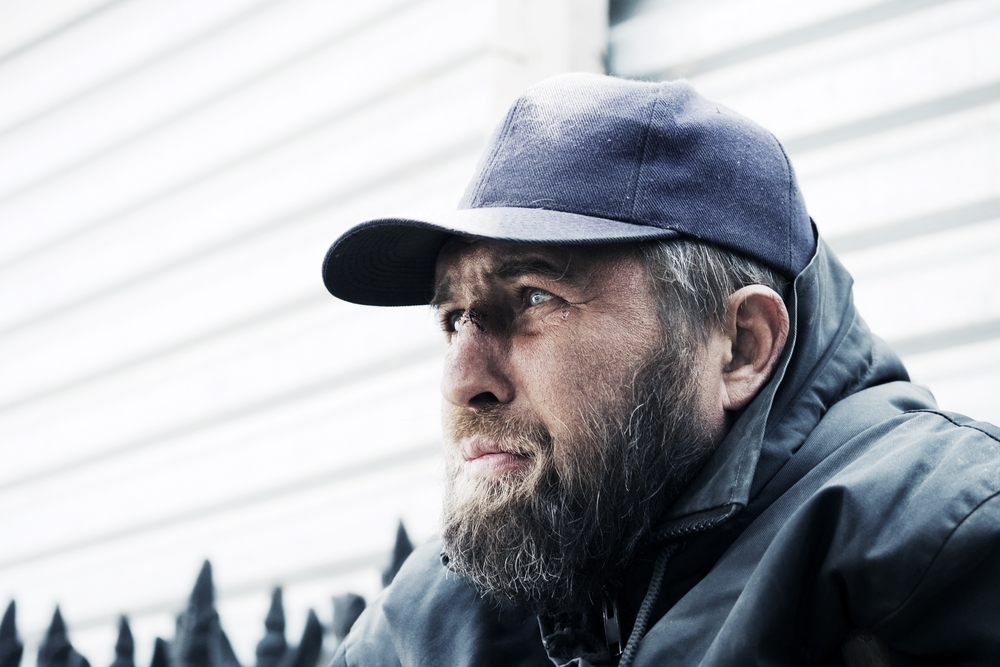
“Homelessness deprives individuals of basic needs, exposing them to risky, unpredictable environments. In short, homelessness is more than the absence of physical shelter; it is a stress filled, dehumanising, dangerous circumstance in which individuals are at high risk of being witness to or victims of a wide range of violent events.” (Hopper et al. 2010)
What is homelessness?
When many people think of homelessness, they think of people living in the outdoors or on the streets or simply those without a house to live in. The reality is that homelessness is far more complex. People are considered homeless if they do not have; an adequate dwelling, a secure tenure, control of, access to or space for social relations (Australian Bureau of Statistics).
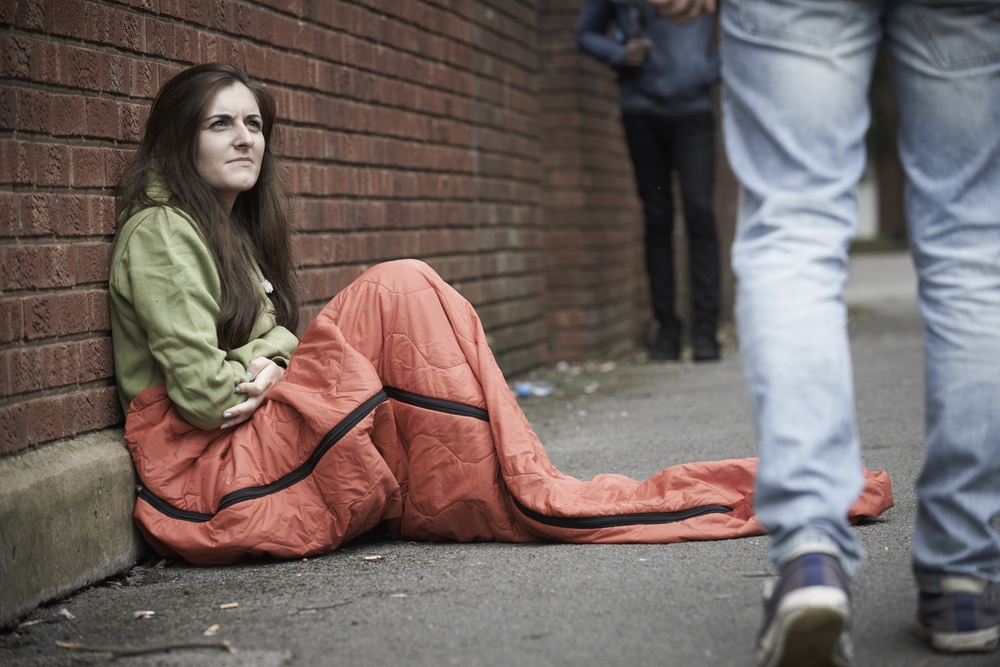
There are many different forms of homelessness and these can be categorised. Primary homelessness describes the conventional understanding of homelessness and includes sleeping rough, living in improvised dwellings, cars, swags or temporary shelters. Secondary homelessness refers to people who are constantly moving and can include living in refuges, emergency accommodation, hotels, staying with relatives for a few days at a time and couch surfing. Tertiary homelessness refers to living conditions that are below the minimum community standard, examples of this are illegal rooming and boarding houses (Johnson and Chamberlain, 2002). Whilst conventional views of homelessness accept primary homelessness, the issue is far more complex than this. Homelessness is not houselessness.
Causes and effects
Homelessness can happen to anyone. Homelessness does not define a person, rather it is a temporary situation. Factors that contribute to homelessness include unemployment or underemployment, poverty, mental illness, addiction and family violence. There is no single cause of homelessness and people who experience homelessness are certainly not a homogenous group. These people do share some basic needs including access to; affordable housing, adequate income and adequate health care.
The effects of homelessness on individuals and communities are devastating. People experiencing homelessness have significantly lower levels of health and wellbeing than other Australians. They are at increased risk of; preventable diseases, poor health, premature death, poor nutrition, mental health and addiction issues. Children from families who experience homelessness have increased risks in many domains. They are at increased risk of medical problems, emotional and behavioural issues, developmental issues, nutritional deficits and are often restricted in their access to education (Homelessness Australia).
Homelessness is a social justice issue. There is no greater form of social exclusion than homelessness. It can lead to low employment levels or be a barrier to obtaining employment. It can lead to disengagement from education and low incomes. Homelessness can lead to crime, poor health, disability and family breakdown (Homelessness Australia).
Getting help
If you or someone you know is experiencing or at risk of homelessness there is help available. You can contact the state wide crisis line on 1800 825 955.
Helping the homeless in your community
There are a range of volunteer opportunities for people who would like to assist those experiencing homelessness. Check out https://govolunteer.com.au/Opp... to search for opportunities in your local area.
Other things you can do to help the homeless include:
1. Educate yourself and others on homelessness - accurate understanding helps to reduce the stigma associated with homelessness
2. Donating to homeless services
3. Be an advocate - write a letter to your local MP to increase awareness and funding of homelessness services


